

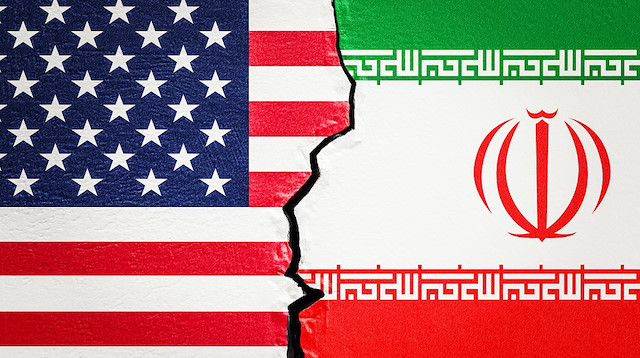
File photo
Iran said it would defy the reimposition of more U.S. sanctions on Monday, condemning as "economic war" Washington's attempt to curb Tehran's missile and nuclear programs and weaken its influence in the Middle East.
The U.S. move restores sanctions lifted under a 2015 nuclear deal negotiated by the administration of President Barack Obama and five other world powers. It adds 300 new designations in Iran's oil, shipping, insurance and banking sectors.
The European Union, which continues to back the nuclear deal, said it opposed the reimposition of sanctions and big oil buyer China said it regretted the move.
The restoration of sanctions is part of a wider effort by U.S. President Donald Trump to force Iran to curb its nuclear and missile programs as well as its support for proxy forces in Yemen, Syria, Lebanon and other parts of the Middle East.
Switzerland is holding talks with the United States and Iran about launching a humanitarian payment channel to help ensure food and drugs keep flowing to the Islamic Republic amid tightened U.S. sanctions, the government said.Restored U.S. sanctions are part of a wider effort by U.S. President Donald Trump to force Iran to curb its nuclear and missile programmes as well as its support for proxy forces in Yemen, Syria, Lebanon and other parts of the Middle East.Iran has taken a defiant line. It will sell its oil and break U.S. sanctions on its vital energy and banking sectors, Iranian President Hassan Rouhani said."Switzerland is committed to safeguarding Swiss economic interests and closely follows the development of the situation. The authorities are in direct contact with the competent authorities of the United States, the EU and Iran," the State Secretariat for Economic Affairs (SECO) said in an emailed statement on Monday.Iran in contact with other signatories of nuclear deal as US reinforces sanctions"Particularly in the humanitarian field, the federal government is committed to ensuring that food and pharmaceutical products can continue to be supplied from Switzerland," it said, adding it was in touch with U.S. authorities, Iran and unnamed Swiss companies on developing a humanitarian payment channel. A SECO spokesman would not elaborate on the plan.Switzerland, which represents U.S. diplomatic interests in Iran, was not involved in separate European Union discussions on setting up a special purpose vehicle to continue trade with Iran, but was following the talks closely, SECO said.The Swiss were also not involved in developing alternative mechanisms to SWIFT in the area of secure messaging and payment transactions.Switzerland in August encouraged Swiss companies to pursue business ties with Iran prudently and expressed regret at the poor sanctions situation.China says its lawful trade with Iran should be respectedSwiss-based Nestle, the world's biggest food company which produces infant formula and cereals as well as bottled water in Iran, said in August it saw no direct fallout from renewed U.S. sanctions on the country.But Swiss lender Banque de Commerce et de Placements (BCP) in May suspended new transactions with Iran and started winding down Iran-related business. Founded in 1963, BCP had been among the players active in Iran-related trade finance in commodities, finance sources say.Overall Swiss exports to Iran rose 7.6 percent in 2017 to 536 million Swiss francs ($534 million) while imports rose 300 percent to 85 million francs. In the first nine months of this year, exports fell to 311.2 million while imports hit 17.2 million, provisional trade data show.US ratchets up pressure on Iran with resumption of sanctions
Swiss talk with US, Iran about humanitarian payment channel for food, drugs
U.S. Secretary of State Mike Pompeo said on Sunday the penalties set to return on Monday "are the toughest sanctions ever put in place on the Islamic Republic of Iran."
However, Iran's clerical rulers have dismissed concerns about the impact of sanctions on the economy.
"Today the enemy (the United States) is targeting our economy...the main target of sanctions is our people," Iranian President Hassan Rouhani said.
"America wanted to cut to zero Iran's oil sales...but we will continue to sell our oil...to break sanctions," Rouhani told economists at a meeting broadcast live on state television.
The European Union is opposed to the United States' decision to reimpose oil and financial sanctions against Iran, European Economic Affairs Commissioner Pierre Moscovici said on Monday."The European Union does not approve of it," Moscovici told franceinfo radio, hours after further U.S. sanctions on Iran came into force.Washington decided to reinstate punitive measures that were lifted under a 2015 nuclear deal negotiated by the administration of President Barack Obama, and added 300 new designations in Iran's oil, shipping, insurance and banking sectors.US ratchets up pressure on Iran with resumption of sanctionsIranians stage anti-US rallies in TehranRouhani says Iran to sell oil, break US sanctions
EU opposed to US resumption of sanctions on Iran: Moscovici
The sanctions were illegal and unfair, he said.
"This is an economic war against Iran but ... America should learn that it cannot use the language of force against Iran ... We are prepared to resist any pressure," Rouhani said.
Trump announced in May his government was withdrawing from what he called the "worst ever" agreement negotiated by the United States. Other parties to the deal, including Britain, France, Germany, China and Russia, say they will not leave.
The deal had seen most international financial and economic sanctions on Iran lifted in return for Tehran curbing its disputed nuclear activity under U.N. surveillance.
China said on Monday its lawful trade cooperation with Iran should be respected and expressed regret that the United States re-imposed sanctions on the Middle Eastern country.Speaking at a daily news briefing in Beijing, foreign ministry spokeswoman Hua Chunying did not directly comment on whether China had been granted exemption from the Iran sanctions by the United States.The restoration of U.S. sanctions on Monday targeting Iran's oil sales and banking sector is part of an effort by U.S. President Donald Trump to force Iran to halt its nuclear and ballistic missile programmes outright, as well as its support for proxy forces in conflicts across the Middle East. Asian shares sell-off as risk sentiment sours, pound pares gainsChina's Xi Jinping promises lower tariffs, more imports
China says its lawful trade with Iran should be respected
Details of the sanctions will be released at a news conference scheduled for 8:30 a.m. EST (1330 GMT) with Pompeo and Treasury Secretary Steven Mnuchin.
The European Union is opposed to the U.S. decision to reimpose oil and financial sanctions, European Economic Affairs Commissioner Pierre Moscovici said. "The European Union does not approve of it," Moscovici told franceinfo radio.
China, India, South Korea, Japan and Turkey - all top importers of Iranian oil - are among eight countries expected to be given temporary exemptions from the sanctions to ensure crude oil prices are not destabilised.
The countries will deposit Iran's revenue in an escrow account, U.S. officials have said.
The United States reimposes oil and financial sanctions against Iran on Monday, significantly turning up the pressure on Tehran in order to curb its missile and nuclear programs and counter its growing military and political influence in the Middle East.The move will restore U.S. sanctions that were lifted under a 2015 nuclear deal negotiated by the administration of President Barack Obama, and add 300 new designations in Iran's oil, shipping, insurance and banking sectors.President Donald Trump announced in May that his administration was withdrawing from what he called the "worst ever" agreement negotiated by the United States. Other parties to the deal, including Britain, France, Germany, China and Russia, have said they will not leave.Details of the sanctions will be released at a news conference scheduled for 8:30 a.m. EST (1330 GMT) with Secretary of State Mike Pompeo and Treasury Secretary Steven Mnuchin.China, India, South Korea, Japan and Turkey - all top importers of Iranian oil - are among eight countries expected to be given temporary exemptions from the sanctions to ensure crude oil prices are not destabilised.Rouhani says Iran to sell oil, break US sanctionsUS resumes all pre-nuclear deal sanctions on IranThe countries will deposit Iran's revenue in an escrow account, U.S. officials have said.Washington has said it will ensure a well supplied global oil market, with help from ally Saudi Arabia, as Iran oil is cut back. Front-month Brent crude futures, the international benchmark for oil prices, were at $72.53 per barrel on Monday.The reimposition of the sanctions comes as the United States is focused on U.S. congressional and gubernatorial elections on Tuesday. Campaigning in Chattanooga, Tennessee, late on Sunday, Trump said his "maximum pressure" policy against Iran was working."Iran is a much different country than it was when I took office," said Trump, adding: "They wanted to take over the whole Middle East. Right now they just want to survive."Earlier, thousands of Iranians chanted "Death to America" at a rally to mark the anniversary of the seizure of the U.S. Embassy during the 1979 Islamic Revolution.The International Monetary Fund said on Thursday that Iran should implement policies to safeguard its macroeconomic stability in the face of sanctions.Senior Iranian officials have dismissed concerns about the impact to its economy."America will not be able to carry out any measure against our great and brave nation ... We have the knowledge and the capability to manage the country's economic affairs," Foreign Ministry spokesman Bahram Qasemi told state TV on Friday.Second wave of US sanctions on Iran starts MondayIranian marchers chant 'Death to America' on eve of US oil sanctionsBahrain court overturns acquittal of opposition leaders
US ratchets up pressure on Iran with resumption of sanctions
The curbs come as the United States is focused on U.S. congressional and gubernatorial elections on Tuesday. Campaigning in Chattanooga, Tennessee, on Sunday, Trump said his "maximum pressure" against Iran was working.
"Iran is a much different country than it was when I took office," said Trump, adding: "They wanted to take over the whole Middle East. Right now they just want to survive."
To keep the deal alive, the remaining parties to the Iran accord are trying to maintain trade with Tehran, despite scepticism that this is possible.
Diplomats told Reuters last month that a new EU mechanism to facilitate payments for Iranian oil exports should be legally in place by Nov. 4 but not operational until early next year.
Iran will sell its oil and break sanctions reimposed by the United States on its vital energy and banking sectors, Iranian President Hassan Rouhani told economists at a meeting broadcast live on state television on Monday."America wanted to cut to zero Iran's oil sales ... but we will continue to sell our oil ... to break sanctions," Rouhani said.The United States said on Friday it will temporarily allow eight importers to keep buying Iranian oil when it re-imposes sanctions on Monday aimed at forcing Tehran to curb its nuclear, missile and regional activities.China, India, South Korea, Japan and Turkey - all top importers of Iranian oil - are among eight countries expected to be given temporary exemptions from the sanctions to ensure crude oil prices are not destabilised.US resumes all pre-nuclear deal sanctions on IranThe restoration of sanctions is part of a wider effort by U.S. President Donald Trump to force Iran to curb its nuclear and missile programs as well as its support for proxy forces in Yemen, Syria, Lebanon and other parts of the Middle East."Today the enemy (the United States) is targeting our economy ... the main target of sanctions is our people," Rouhani said.In May, Trump exited Iran's 2015 nuclear deal with six powers and Washington reimposed first round of sanctions on Iran in August.The deal saw most international financial and economic sanctions on Iran lifted in return for Tehran curbing its disputed nuclear activity under U.N. surveillance.U.S. Secretary of State Mike Pompeo said on Sunday the penalties set to return on Monday "are the toughest sanctions ever put in place on the Islamic Republic of Iran."However, Iran's clerical rulers have dismissed concerns about the impact of sanctions on the country's economy."This is an economic war against Iran but ... America should learn that it can not use the language of force against Iran ... We are prepared to resist any pressure," Rouhani said.To keep the deal alive, the remaining parties to the Iran nuclear deal are trying to maintain trade with Tehran despite scepticism this is possible despite U.S. sanctions to choke off Iranian oil sales.
Rouhani says Iran to sell oil, break US sanctions
They cautioned, however, that no country had volunteered to host the entity, which was delaying the process.
"We are in regular contact with other signatories of the nuclear deal...setting up (a) mechanism to continue trade with the European Union will take time," Iran's Foreign Ministry spokesman Bahram Qasemi said in Tehran.
The U.S. snapped back all of the sanctions it lifted on Iran following a historic pact world powers struck with the Islamic Republic. Announced by Secretary of State Mike Pompeo and Treasury Secretary Steven Mnuchin announced last week, the sanctions which cover Iran's energy, shipbuilding, shipping and financial sectors took effect Monday.They are the second batch the U.S. administration reinstated since President Donald Trump unilaterally pulled out of the nuclear deal in May despite objections from close allies in Europe.The U.S. is seeking to "alter" Iranian behavior with the sanctions, and has been leaking out a stream of 12 demands it wants to see Iran agree to in exchange for re-lifting the economic penalties.Eight countries who have significantly curtailed their imports of Iranian oil have been granted temporary waivers to allow them to continue importing Iranian oil after the penalties take effect. Two of the countries have agreed to reduce imports to zero while six others "will import at greatly reduced levels," Pompeo said.The U.S. expects to have reduced Iranian oil exports by more than 1 million barrels even before Monday's tranche of economic penalties, which the U.S. has long warned were incoming.In all, 700 Iranian entities will be added to sanctions lists on Monday, according to Mnuchin.More than half, or about 400, will have had their designations lifted as part of the 2015 Joint Comprehensive Plan of Action while roughly 300 will be new designations.All of the other signatories -- China, the European Union, France, Germany, Iran, Russia and the United Kingdom -- have remained in the deal despite the U.S. action.The accord provided Iran with billions of dollars in relief from international sanctions in exchange for sweeping curbs on and inspections of its nuclear program.Iranian marchers chant 'Death to America' on eve of US oil sanctionsGuards chief says Iran will resist, defeat US sanctionsStruggling to cope, Iranians fear more misery from US sanctions
US resumes all pre-nuclear deal sanctions on Iran