

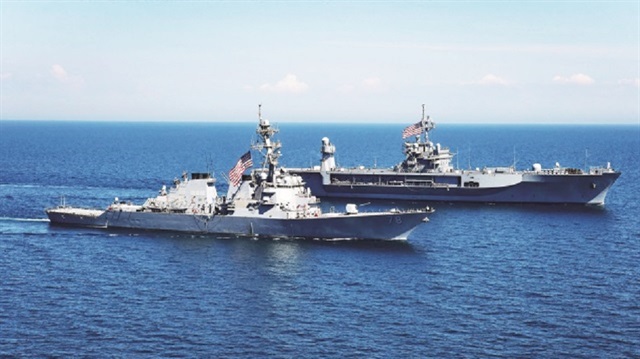
File photo
Fears of a massacre in Syria’s Idlib are hiding the moves made for “energy wars” that will last for decades in the Mediterranean. The United States has dispatched a command ship while Britain has deployed a nuclear submarine. Warships will follow drill ships. First companies from the U.S., then France, Britain and Italy will begin drilling in the area.
U.S. oil and gas corporation Exxon is due to send two surveying vessels on Sept. 28 to explore offshore Cyprus near the area where Turkey blocked an Eni drilling ship from prospecting in February. Total, Shell, Eni, Qatar Petroleum, Noble Energy and Kogas also plan on initiating explorations in the Mediterranean.
Meanwhile, the Greek administration of Cyprus has granted France permission to use its sea and air bases.
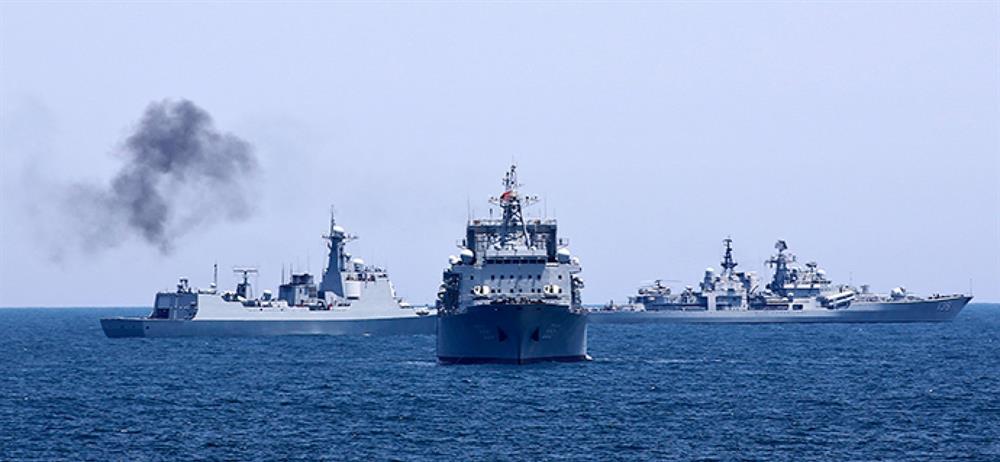
Turkey takes action
The U.S. also requested a base from Cyprus. In the face of these developments, Turkey has taken precautions with its fleet and is also due to launch explorations with the national Fatih ship in an area dubbed as rich in resources by a vessel that conducted seismic surveys. Turkey is expected to protect its interests and defend its rights in the Eastern Mediterranean, which could become the battlefield of an energy war.
Increased traffic in the Mediterranean
New deployments to the Eastern Mediterranean have continued. The U.K.’s nuclear powered submarine HMS Talent entered the Mediterranean in early September joining three other nuclear submarines and three U.S. destroyers. The USS Mount Whitney, the flagship of the U.S. Sixth Fleet, sailed to Greece’s Thessaloniki under the guise of the International Trade Fair.
This buildup occurred amid tensions surrounding a possible offensive targeting Syria’s Idlib. The Syrian regime recently announced plans to launch a major military offensive in Idlib, which remains under the control of various armed opposition groups. The last such provocation triggered joint airstrikes by the U.S., UK and France against the Syrian regime.
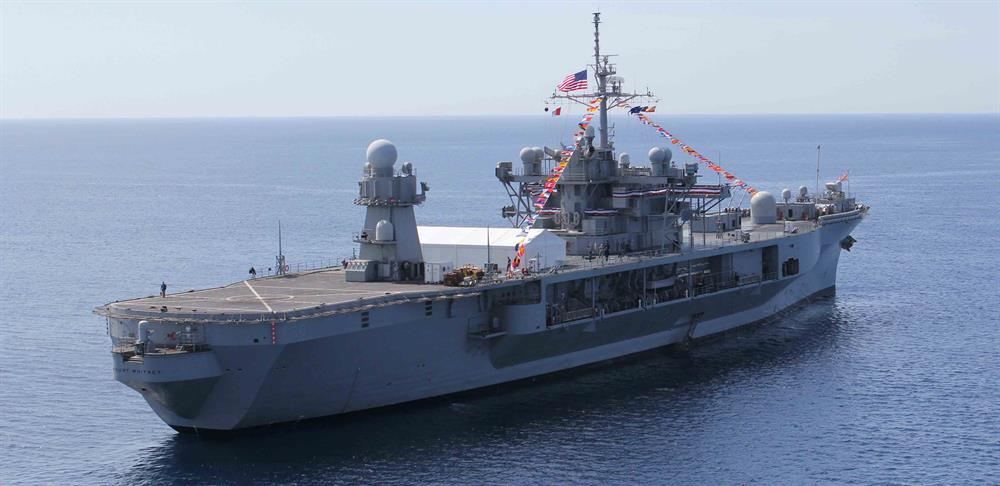
USS Mount Whitney
France has had a warship stationed in the waters of the Eastern Mediterranean for an extended period of time. While the Standing NATO Maritime Group has three ships deployed in the Mediterranean, other countries add supporting ships from time to time.
Russia also staged a major naval exercise in the eastern Mediterranean this month and its jets resumed bombing the Syrian region of Idlib, the last major enclave of the opposition fighting its ally President Bashar al-Assad.
More than 25 warships and support vessels and around 30 planes, including fighter jets and strategic bombers, took part in Russia’s Mediterranean drills between Sept. 1 and Sept. 8. Ships from Russia’s Northern, Baltic and Black Sea Fleets as well as vessels from its Caspian Flotilla participated in the drills, which were led by the Marshal Ustinov missile cruiser.
Foreign Minister Mevlüt Çavuşoğlu said Monday that Turkey could start drilling in the Eastern Mediterranean this autumn as the country had already purchased a platform.Speaking at a joint news conference with his Turkish Cypriot counterpart Kudret Ozersay, Çavuşoğlu said the Turkish Republic of Northern Cyprus (TRNC) has territorial waters and a continental shelf which Turkey would take all measures to protect."Turkey has an economic area in the Eastern Mediterranean," he added.Çavuşoğlu also mentioned that Turkey had earlier prevented the start of some drilling works in the Eastern Mediterranean.Turkish warships at the ready in East Med as Idlib battle looms"Now, we have a platform and we can start drilling," Çavuşoğlu said noting that Ankara has discussed the issue with drilling companies and guarantor country Greece,Çavuşoğlu added that he will also meet his Greek counterpart Nikos Kotzias on Tuesday in the Turkish province of Izmir and discuss the Cyprus issue.He said if the Greek Cypriot side continues taking unilateral steps, Turkey will start drilling activities.Russia set for first post-Soviet military drill in Med.Ozersay also reiterated that if Greek Cypriots will continue unilateral drilling activities, Turkish Cypriots will also "start drilling soon" in accordance with the license it had already provided to Turkish Petroleum.Turkey has repeatedly warned the Greek Cypriot Administration about its unilateral hydrocarbon-related research in the Eastern Mediterranean, saying Turkish Cypriots also have rights to the resources around the area.Cyprus has been divided since 1974, when a Greek Cypriot coup was followed by violence against the island's Turks and Ankara's intervention as a guarantor power.In 2017, after two years of negotiations, the latest attempt to reunify the long-divided Mediterranean island ended in failure.
Turkey could start drilling in Eastern Mediterranean: FM
Cyprus bases
Under the scope of the 2007 agreement France signed with Cyprus, it has started to use sea and air bases. The U.S. is also attempting to utilize Cyprus’ bases. The U.K. already has sea and air bases in Cyprus. An interesting detail is that the Limassol port in Cyprus is used jointly by Russia and the U.S.
Turkey protects its rights, interests in the Mediterranean
Greek newspapers have reported that “a war that is not clear at first is developing in the Eastern Mediterranean,” and that if energy resources were found, then warships would be put into action.
The fleet mobilization in the Mediterranean is linked to the drilling activities to be launched in autumn. Turkish Navy vessels blocked a drilling ship that oil major Eni hired to explore for oil and gas offshore Cyprus in late February, effectively protecting the rights and interests of Turkey.
Turkey is on full alert in the Eastern Mediterranean with the launch of Russian military drills and U.S. destroyers equipped with Tomahawk missiles turning toward the region as an offensive in Syria’s last opposition-held stronghold of Idlib looms.The Russian defense ministry said that more than 25 warships and support vessels and around 30 planes, including fighter jets and strategic bombers, would take part in the Mediterranean drills which it said would last from Sept. 1 to Sept. 8.Upon these developments, Turkey, which previously had 10 warships in the region, dispatched several more naval vessels to the region, the exact number of which is unknown.Turkey has numerously expressed its objections to an Idlib offensive, saying it would lead to disaster, and is taking every precaution to protect its rights and interests in international waters.US sees assault on Idlib as escalation of Syria conflict: PompeoGermany warns of ‘catastrophe’ in Syria’s Idlib'Turkey essential to preventing bloodbath in Syria’s Idlib’U.S. aggression against SyriaAnatoly Antonov, Russia's ambassador to the United States, warned Washington on Thursday against what he called "groundless and illegal aggression against Syria." Antonov said he had told U.S. officials Moscow was concerned by signs that the United States was preparing new strikes on Syria.Warships at the readyThe U.S. and NATO allies such as the U.K. and France are keeping their navy ships in the Mediterranean on full alert. The Russian Defense Ministry said U.S. destroyers Karni and Ross will be ready to strike Syria within 24 hours. On Saturday, U.S. navy ship USNS Carson City T-EPF-7 reached the Mediterranean from the Dardanelles Strait. The U.S. had previously struck Syria by having warships deployed in the Mediterranean, Red Sea and the Basra Gulf fire missiles at Syrian regime targets. Though not directly linked to the developments in Idlib, Turkey’s ramped-up presence in the Mediterranean aims to prevent a fait accompli in Turkish waters with regards to issues of security and energy. Countries such as Russia, the U.S., U.K., France, Germany, Israel, Egypt, Greece and Italy all maintain a navy presence in the Mediterranean.The United Nations has called on Russia, Iran and Turkey to delay a battle that could affect millions of civilians.Russia and Turkey, along with Iran are sponsoring the Astana peace talks, which focuses on a cease-fire and ending the seven-year civil war in Syria.Syria’s civil war has cost an estimated 400,000 lives, displaced more than 11 million people and led to a severe shortage of food, clean water and healthcare.
Turkish warships at the ready in East Med as Idlib battle looms
Turkey on the field
As Turkey showcases a resolute stance to protect its rights and interests in the Eastern Mediterranean, it is taking precautions against any fait accompli within the context of the explorations that will begin in autumn. Turkey will forge a strong presence in the area with its natural gas exploration and drilling ships.
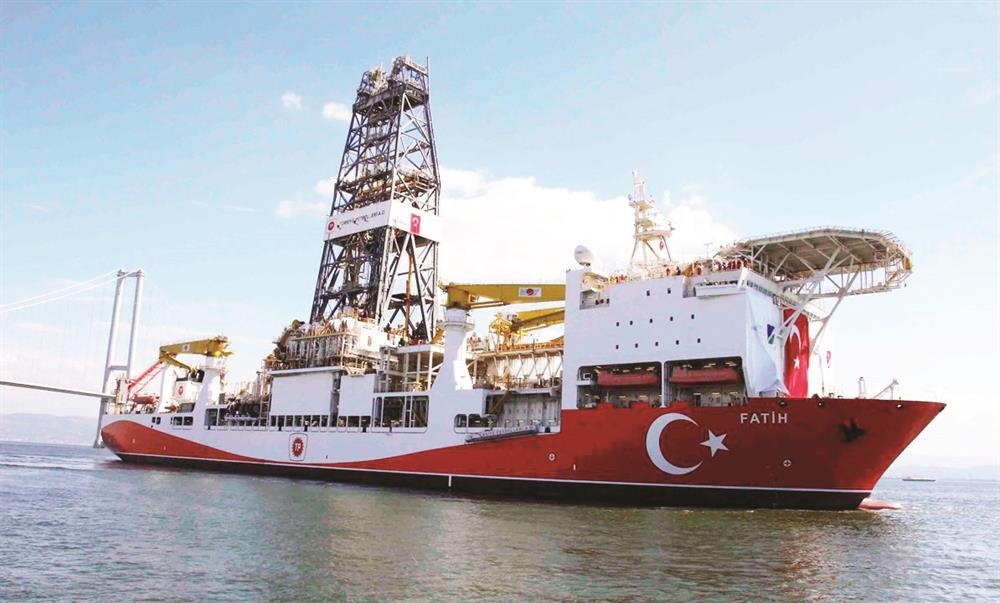
Turkey's first drilling vessel Fatih